Plastic surgery's evolution over the decades offers a fascinating glimpse into societal changes and medical advancements. You're likely aware of its modern use, but the journey from ancient techniques to today’s sophisticated methods is worth exploring. The transformation has been shaped by various factors, including technology and cultural perceptions of beauty. What surprising developments and ethical considerations have emerged along the way?
The Origins of Plastic Surgery: A Historical Overview
Plastic surgery isn’t a modern invention; it actually dates back thousands of years. You might be surprised to learn that ancient Egyptians performed procedures to repair facial injuries and enhance appearance. They used rudimentary tools and techniques to tackle issues like cleft lips and deformities. Meanwhile, in India, physicians like Sushruta developed surgical practices that laid the groundwork for modern plastic surgery. He crafted detailed texts outlining various surgical techniques, emphasizing the importance of hygiene and skill. Fast forward to the Renaissance, and you’ll see advancements in surgical knowledge and tools, driving the evolution of this field. Each era contributed to refining methods, setting the stage for what we now recognize as plastic surgery in today’s world.
The Rise of Reconstructive Surgery
As society evolved, the need for reconstructive surgery became increasingly apparent, especially in response to the devastating injuries caused by war and accidents. You might not realize that reconstructive surgery goes beyond mere aesthetics; it plays a vital role in restoring function and improving quality of life. Victims of trauma, burns, or congenital deformities benefit immensely, allowing for physical and emotional healing. Surgeons now harness advanced techniques and technologies, transforming lives with complex procedures like tissue grafting and microsurgery. You’ll find that the focus is not just on appearance but also on creating harmony and restoring confidence. As awareness and acceptance of these processes grow, more individuals seek reconstructive options, marking a significant shift in how we view plastic surgery today.
The Advent of Anesthesia and Its Impact
Before anesthesia became widely used, the prospect of undergoing surgery was intimidating and often dreaded. Patients faced immense fear and anxiety, knowing they would experience pain during procedures. However, the introduction of anesthesia revolutionized surgery, bringing relief and a sense of safety. Now, you could undergo operations with minimal discomfort, allowing doctors to perform more complex procedures with greater precision. Patients often emerged from surgery relaxed, thanks to the calming effects of anesthesia. This breakthrough not only transformed the surgical experience but also expanded the possibilities within plastic surgery. Surgeons could take their time, focus on intricate details, and achieve better outcomes, ultimately leading to a more positive perception of surgeries in general. Anesthesia changed everything and made surgery accessible to many.
The Surge in Cosmetic Surgery in the Late 20th Century
With the introduction of anesthesia, the landscape of surgery transformed dramatically, paving the way for a significant rise in cosmetic procedures. You began to see a shift in societal attitudes towards beauty during the late 20th century. As media influences grew, so did the desire for cosmetic enhancements. People sought procedures like breast augmentations, liposuction, and facelifts, considering them tools for self-improvement rather than mere medical interventions. The stigma around cosmetic surgery started to fade, and clinics began sprouting up everywhere. Patients viewed these surgeries as a means to boost confidence and define personal aesthetics. In this era, accessibility also increased, and suddenly, procedures that once seemed out of reach became attainable for many, marking a cultural shift in the perception of beauty.
Technological Advancements: From Traditional to Minimally Invasive
The evolution of plastic surgery has been deeply influenced by technological advancements that have shifted the focus from traditional methods to minimally invasive techniques. You’ll notice that procedures today often utilize laser technology, endoscopy, and advanced imaging systems, enabling surgeons to be more precise and effective. These innovations have greatly reduced recovery times and scarring, allowing for quicker returns to daily activities. Techniques like liposuction and Botox injections mean you can achieve your desired results with less discomfort and downtime. As a patient, you benefit from shorter hospital stays and less invasive options that prioritize safety and satisfaction. The shift towards minimally invasive surgery reflects a growing demand for effective yet gentle procedures, enhancing your overall experience in plastic surgery.
The Role of Media and Celebrity Influence on Cosmetic Procedures
How has the portrayal of beauty in media shaped your perceptions of cosmetic procedures? You might notice that celebrity culture often sets unrealistic beauty standards, leaving you feeling pressured to conform. Influential figures flaunt transformed appearances, showcasing filters and beauty enhancements, and it’s easy to feel like drastic changes are necessary for acceptance or success. You see trending procedures take the spotlight, making them seem not just desirable but vital. Social media amplifies this effect, with before-and-after photos and testimonials endorsing quick fixes. As you scroll, it’s hard to ignore the implications; plastic surgery can become normalized, blurring the lines between aspiration and obsession. With media shaping modern beauty ideals, it’s important to reflect on what that means for your own choices.
Changing Perceptions of Beauty and Body Image
As society evolves, perceptions of beauty and body image shift greatly, challenging traditional ideals. You might notice that beauty standards vary widely across cultures and time periods, reflecting changes in values and preferences. Today, there's a growing celebration of diversity, with more emphasis on individuality and authenticity. People are increasingly embracing their unique features rather than conforming to a narrow definition of beauty. Social media plays a significant role, allowing you to connect with diverse voices and redefine what beauty means. This movement encourages self-acceptance and body positivity, promoting mental well-being. Instead of feeling pressure to meet unrealistic standards, you can celebrate your body and choose what makes you feel beautiful within your own standards.
The Importance of Patient Safety and Ethical Standards
Steering through the evolving landscape of beauty and body image naturally raises questions about the safety and ethics of plastic surgery. As you consider undergoing any procedure, it’s essential to prioritize your safety and well-being. This means researching the credentials and experience of your surgeon and ensuring they adhere to strict ethical standards. Surgeons should be transparent about potential risks and real expectations, allowing you to make informed choices. In addition, regulations surrounding plastic surgery are continuously improving, emphasizing patient rights and safety. By understanding your options and the ethical implications, you empower yourself to make choices that align with your values and health. Ultimately, prioritizing safety and ethics leads to better outcomes and more satisfying experiences in your cosmetic journey.
Innovations in Non-Surgical Aesthetic Treatments
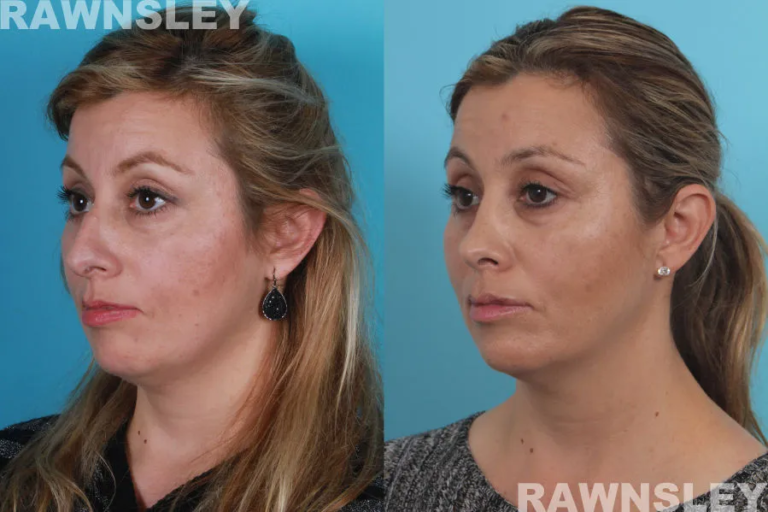
With advancements in medical technology, non-surgical aesthetic treatments have surged in popularity, offering patients a variety of options to enhance their appearance without the need for invasive procedures. Treatments like dermal fillers and Botox allow you to smooth out wrinkles and add volume to your face with minimal downtime. Laser therapies can address skin imperfections, pigmentation, and hair removal, making your skin look youthful and radiant. Furthermore, innovations such as radiofrequency and ultrasound technology provide skin tightening and contouring without surgery. These techniques not only prioritize patient comfort but also deliver natural results, empowering you to feel more confident in your appearance. As providers continually refine these methods, you can expect even safer, more effective treatments in the non-surgical domain.

The Future of Plastic Surgery: Trends and Predictions
Non-surgical treatments are just the beginning of a broader transformation in the field of plastic surgery. As technology advances, you'll see an increase in procedures that blend the boundaries between aesthetics and medical treatments. Think AI-driven personalized consultations and virtual reality simulations that help you visualize results. Techniques like 3D printing may also become commonplace, allowing for customized implants and grafts. Minimally invasive options will likely dominate, lowering risks and recovery times. Ethical considerations surrounding body image are also on the horizon, encouraging a more holistic approach. Finally, sustainability in materials and practices will https://plasticsurgmll328.theglensecret.com/common-myths-about-plastic-surgery gain importance, pushing the industry toward eco-friendly solutions. Keep an eye on these trends as they shape the future of your procedures and the industry's landscape.