During a plastic surgery consultation, you'll engage in open discussions with your surgeon about your goals and expectations. It's a chance for you to share your medical history while the surgeon evaluates your anatomy and candidacy. You'll want to ask questions about procedures, recovery, and costs. By the end, you should feel more confident in your choices. However, there are several key elements to contemplate that can greatly influence your experience.
Understanding the Purpose of the Consultation
When you schedule a plastic surgery consultation, you’re not just meeting a surgeon; you’re taking the first step toward achieving your aesthetic goals. This appointment serves to establish a connection between you and the surgeon, allowing you to discuss your desires and expectations openly. You can expect a thorough discussion about your medical history, potential procedures, and artistic vision. The surgeon will assess your unique anatomy, providing valuable insights on what’s realistic and which options are best suited for you. This is also a time for you to gauge the surgeon’s experience and approach. Ultimately, the consultation's purpose is to guarantee you feel informed and comfortable, laying the groundwork for your surgical journey ahead.
Preparing Your Questions in Advance
You've established a foundation for your consultation, so it’s time to think about what you want to ask. Preparing your questions in advance helps guarantee you cover everything important. Start with your main concerns about the procedure—like risks, recovery time, and expected outcomes. You might also want to inquire about the surgeon's experience and credentials. Don't forget to ask about the costs involved, including any hidden fees. It's good to clarify what happens if you’re not satisfied with the results. Consider writing your questions down, so you won’t forget them during the meeting. This preparation empowers you, making the consultation more productive and focused on your needs and expectations. You deserve clear answers!
The Initial Greeting and Office Atmosphere
As you step into the surgeon's office, the initial greeting sets the tone for your consultation. A warm smile and friendly introduction from the receptionist or staff immediately make you feel welcome. The atmosphere is usually calm and professional, designed to help you feel at ease. Soft colors, comfortable seating, and soothing decor can help lessen any anxiety you might have. Take a moment to observe your surroundings; cleanliness and organization are essential indicators of a reputable practice. You might notice informative brochures or a serene waiting area, which can provide insight into the practice's focus on patient care. Embrace this welcoming environment as it’s your first step toward an empowering journey in cosmetic surgery.
Discussion of Your Goals and Expectations
Understanding your goals and expectations is vital during the consultation process. Your surgeon wants to know what you hope to achieve so they can guide you appropriately. You’ll discuss the reasons behind your interest in surgery, whether it’s improving self-confidence, achieving a certain look, or addressing specific concerns. Be honest about your desires and fears; it’s essential for both your and your surgeon’s understanding.
Listen carefully as your surgeon asks questions and offers insights. They may suggest options that align with your goals, so be open to different possibilities. It’s also the perfect time to clarify any doubts you have. Remember, clear communication helps guarantee that you and your surgeon are on the same page, leading to a satisfying outcome.
The Surgeon’s Assessment of Your Candidacy
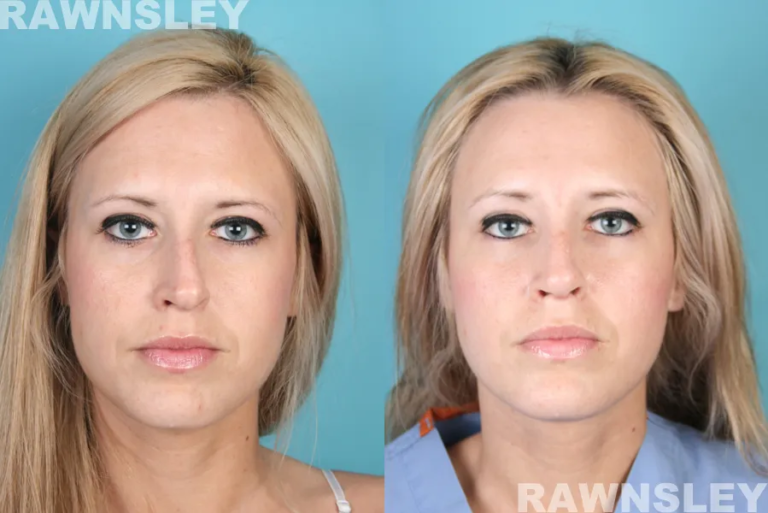
Before proceeding with any surgery, the surgeon will evaluate your candidacy to confirm you're a suitable candidate for the procedure. This assessment typically includes a thorough examination of your medical history, current health status, and any medications you're taking. The surgeon may ask about your lifestyle choices, such as smoking and alcohol consumption, since these can affect healing and results. They'll also consider your age, skin condition, and body type. Open communication is essential; be honest about your expectations and any concerns. The surgeon will determine if you're at a healthy weight and if you have realistic goals for the surgery. By understanding these factors, they'll make certain that you’re well-prepared for the potential outcomes of your chosen procedure.
Explanation of the Recommended Procedures
During your consultation, the surgeon will outline the specific procedures they recommend based on your goals and needs. You’ll learn about the various options available, each tailored to address your concerns effectively. The surgeon will explain how these procedures work, their intended results, and the methods they’ll use. You might discuss different techniques, whether it’s a facelift, breast augmentation, or liposuction, along with the expected recovery timelines. It’s essential to ask questions if you don’t understand something or want more details. This dialogue is a great opportunity for you to express any doubts or preferences you have. Remember, this is about your body and your satisfaction, so clarity is key to making an informed decision.
Reviewing Risks and Considerations
While considering any surgical procedure, it’s essential to review the potential risks and considerations involved. Each surgery carries specific risks like infection, scarring, and anesthesia complications. Make sure to discuss any pre-existing medical conditions or medications you’re taking, as these can impact your recovery. Understand that results may not be exactly as you envision; factors like healing time and individual anatomy play a role.
Your surgeon should explain what you can expect during recovery, including any limitations on activities. It's also vital to have realistic expectations about outcomes, ensuring you’re mentally prepared for the changes involved. Don’t hesitate to ask questions; addressing your concerns upfront can lead to better decision-making and peace of mind throughout the process.

Understanding the Costs and Financial Options
As you navigate your plastic surgery journey, understanding the costs involved and the financial options available is essential. Start by discussing the total expenses with your surgeon, which can include consultation fees, anesthesia, facility charges, and post-operative care. Be sure to inquire about payment plans or financing options that fit your budget. Many clinics offer financing through third-party providers that allow you to pay in installments. It’s also helpful to check if your health insurance covers any part of the procedure, particularly if it’s deemed medically necessary. Don’t https://rawnsleyplasticsurgery.wordpress.com/ hesitate to ask your surgeon’s office for a detailed breakdown of costs, ensuring you’re fully informed before making any financial commitments.
Post-Consultation Next Steps
After your plastic surgery consultation, you'll want to take some important steps to guarantee you're fully prepared for the process ahead. First, review the information you received, including any recommended procedures and care instructions. Jot down any lingering questions and share them with your surgeon during follow-ups. Next, consider your financing options based on the discussion about costs. Don't hesitate to reach out to your surgeon’s office for clarification or support. If needed, schedule additional consultations to solidify your understanding and comfort level. Finally, take time to reflect on your decision; ensuring you're mentally and emotionally prepared is just as essential as any physical preparations. Making an informed decision will help you feel more confident moving forward.
Building Trust and Rapport With Your Surgeon
Establishing trust and rapport with your surgeon is essential to ensuring a positive experience throughout your plastic surgery journey. Start by being open about your expectations and concerns—this helps your surgeon understand your goals better. Don't hesitate to ask questions; a good surgeon will welcome your inquiries and provide clear, honest answers. Pay attention to how they communicate; empathy and understanding are crucial. Trust your instincts; if you feel comfortable and confident in their expertise, it’s a positive sign. Additionally, look for a surgeon who prioritizes safety and patient satisfaction. Building this strong relationship fosters confidence, making the entire procedure feel less intimidating and more collaborative. Remember, this is your journey—your comfort matters.